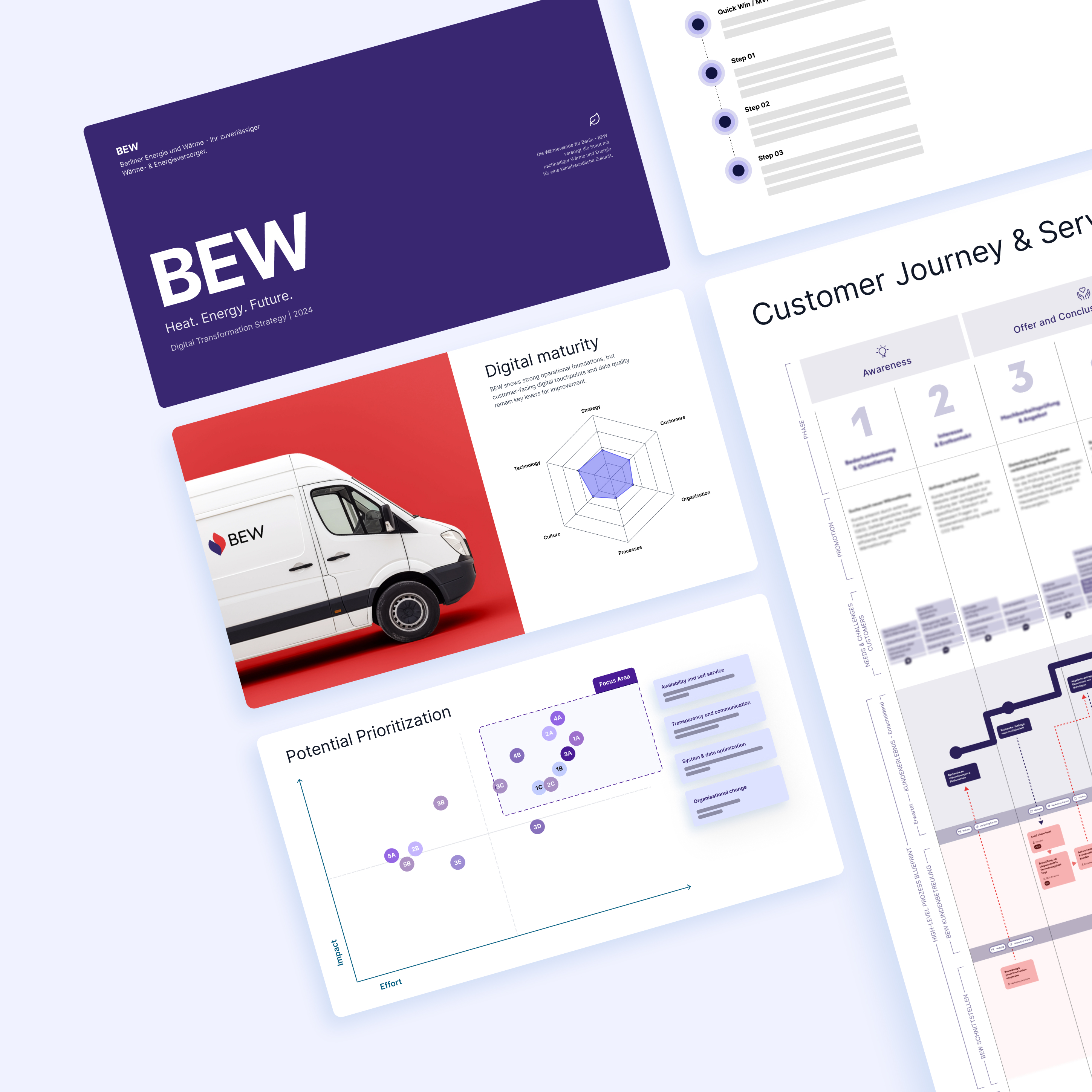

BEW: Driving District Heating Excellence through Digital Transformation and Customer-Centricity
Discover how DPM empowered BEW to optimize 20+ internal processes and map a 17-step customer journey for scalable, long-term operational excellence.
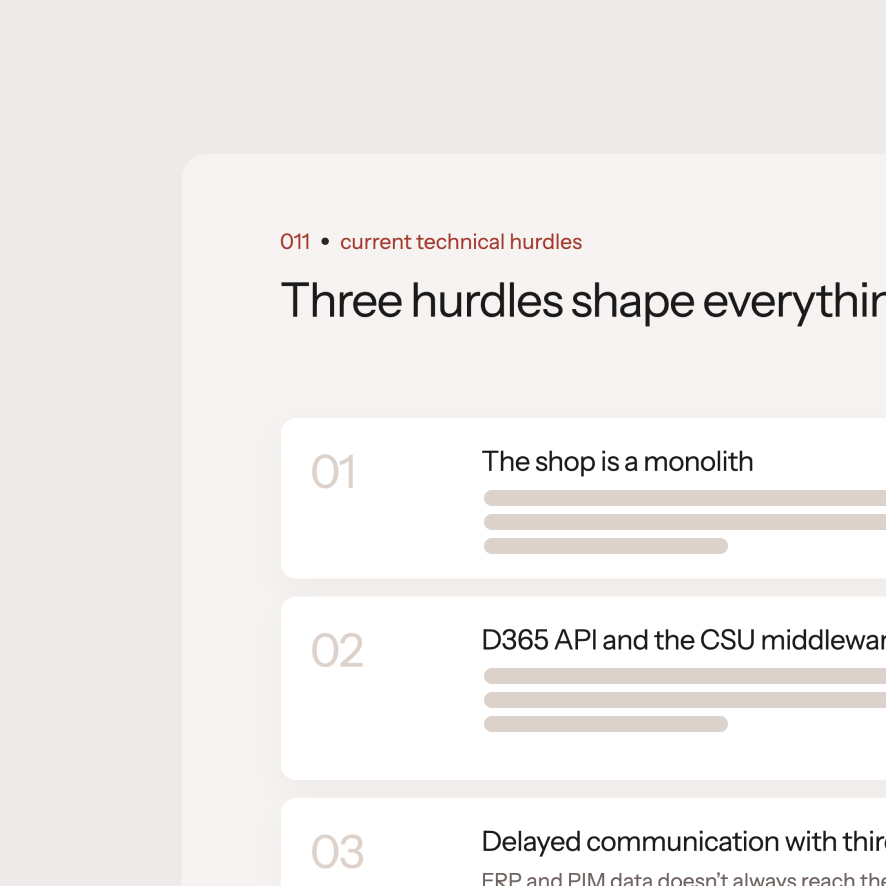
As an established European fashion brand with a rich heritage in retail excellence, Peter Hahn set out to elevate its digital presence and transition toward a fully agile, online-first strategy. To capture growing e-commerce opportunities and accelerate responsiveness to evolving customer expectations, the brand sought to modernize its system landscape and operational process ecosystem.
The strategic ambition was to evolve from catalog-oriented release cycles toward flexible, campaign-driven digital workflows. Realizing this vision required streamlining multi-system complexity across its core application, optimizing ERP and middleware integrations, and establishing real-time data synchronization across all channels. To support its long-term growth trajectory and set new standards in digital customer experience, Peter Hahn aimed to define a scalable target architecture, harmonize cross-functional workflows, and build an event-driven foundation for sustained digital innovation.

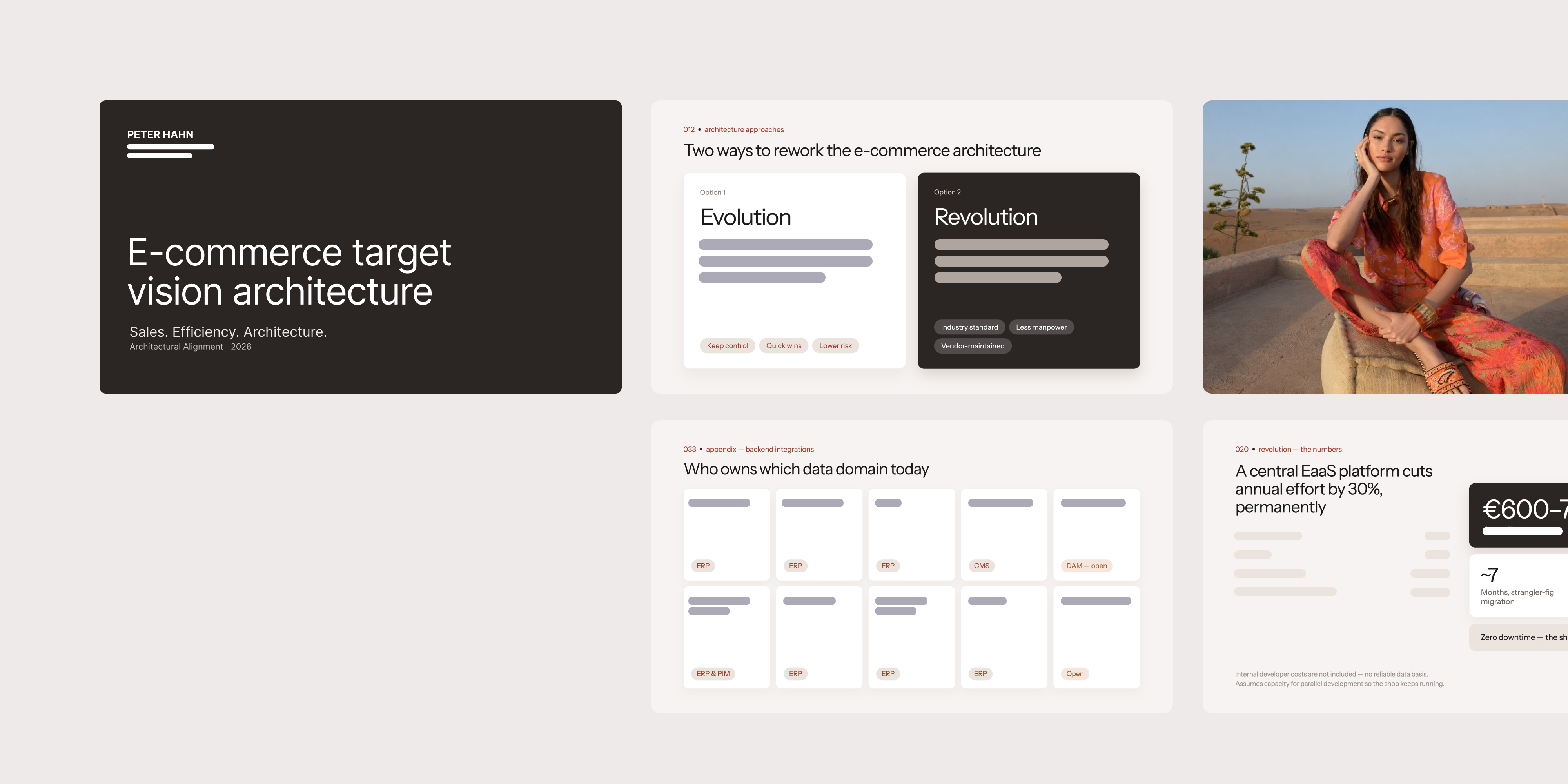
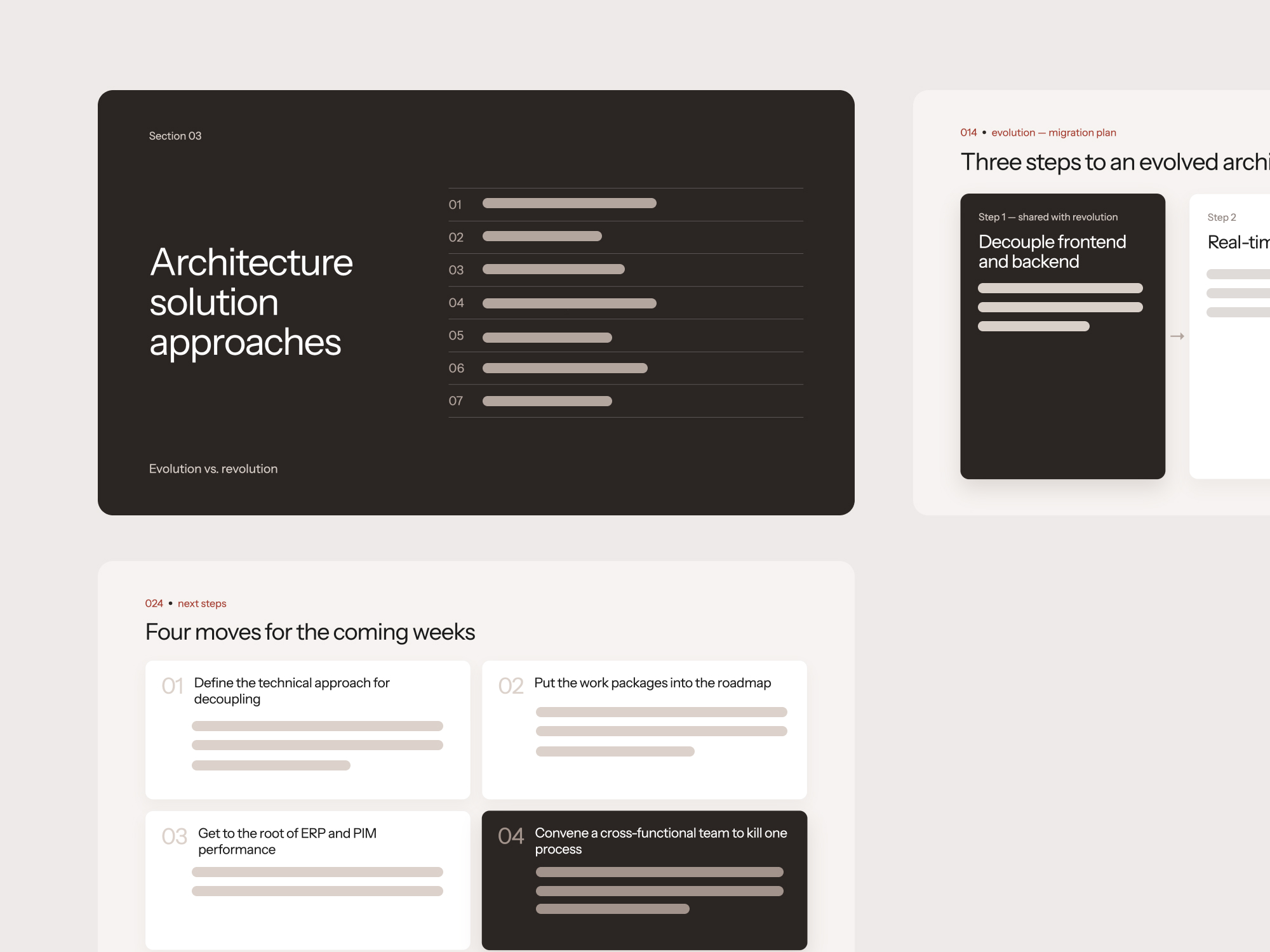
The collaboration delivered a definitive e-commerce target architecture and an incremental, risk-mitigated migration plan. We mapped out two strategic paths: an "Evolution" model focusing on step-by-step modernization and a "Revolution" model leveraging standard E-Commerce-as-a-Service (EaaS) software. The project team fully aligned behind a single direction, expecting to cut annual maintenance and development spend by 30% over five years.
Ensuring technology seamlessly follows business processes, the architecture defines the immediate decoupling of frontend and backend systems as a mandatory baseline. This initial phase can be executed within four months with zero operational downtime, laying the foundation for a modern, event-driven ecosystem. Additionally, the project established a concrete operational roadmap to systematically optimize legacy workflows, ensuring corporate culture transforms alongside the technical core.
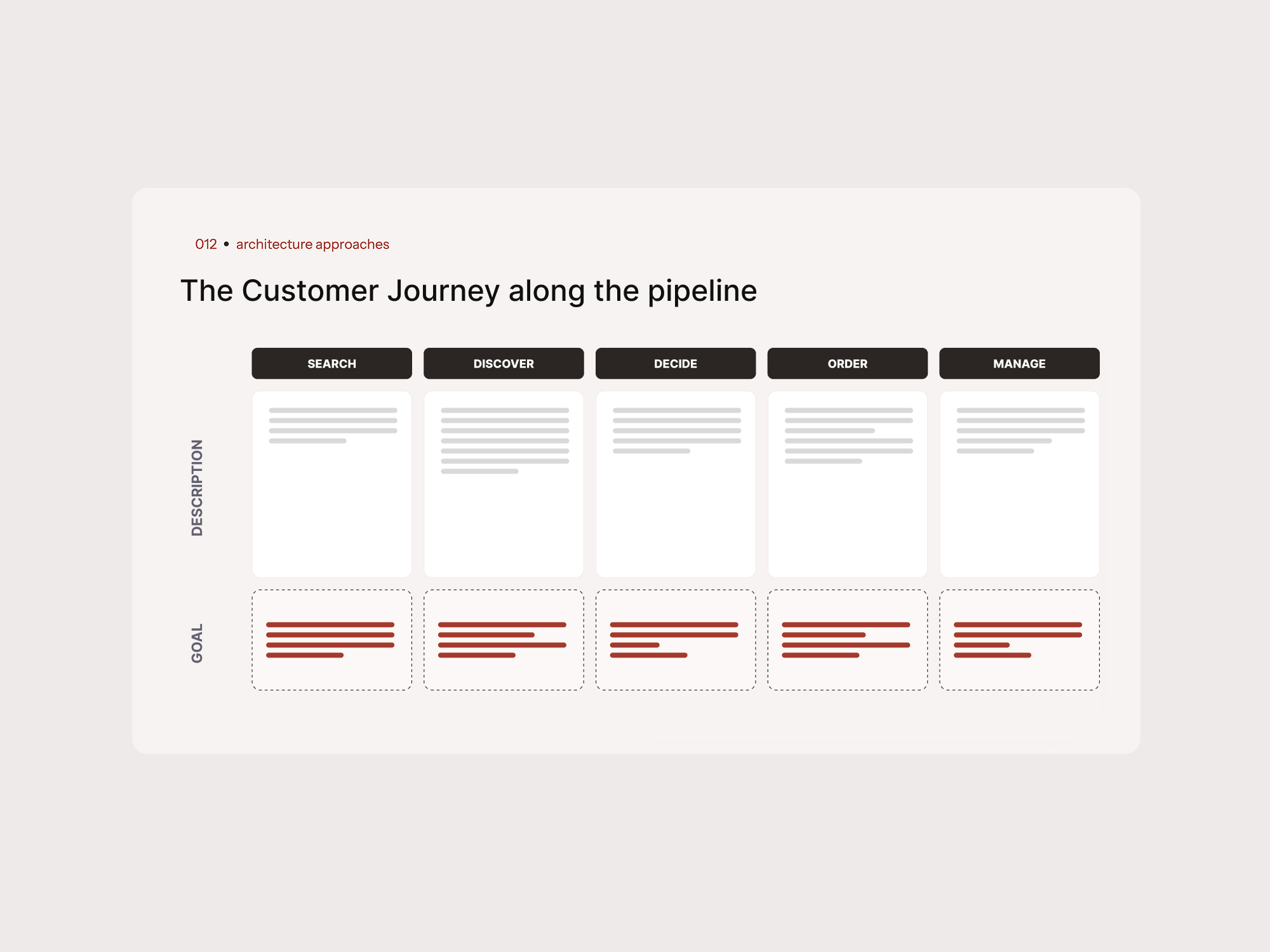
We applied a business-driven, customer-centric methodology rather than a purely technology-led approach. The foundation was built by establishing Peter Hahn-specific design principles across corporate, brand, and customer persona levels. Using these guardrails, we audited the existing system landscape and systematically mapped all e-commerce requirements across five key user journey domains: Search, Discover, Decide, Order, and Manage.
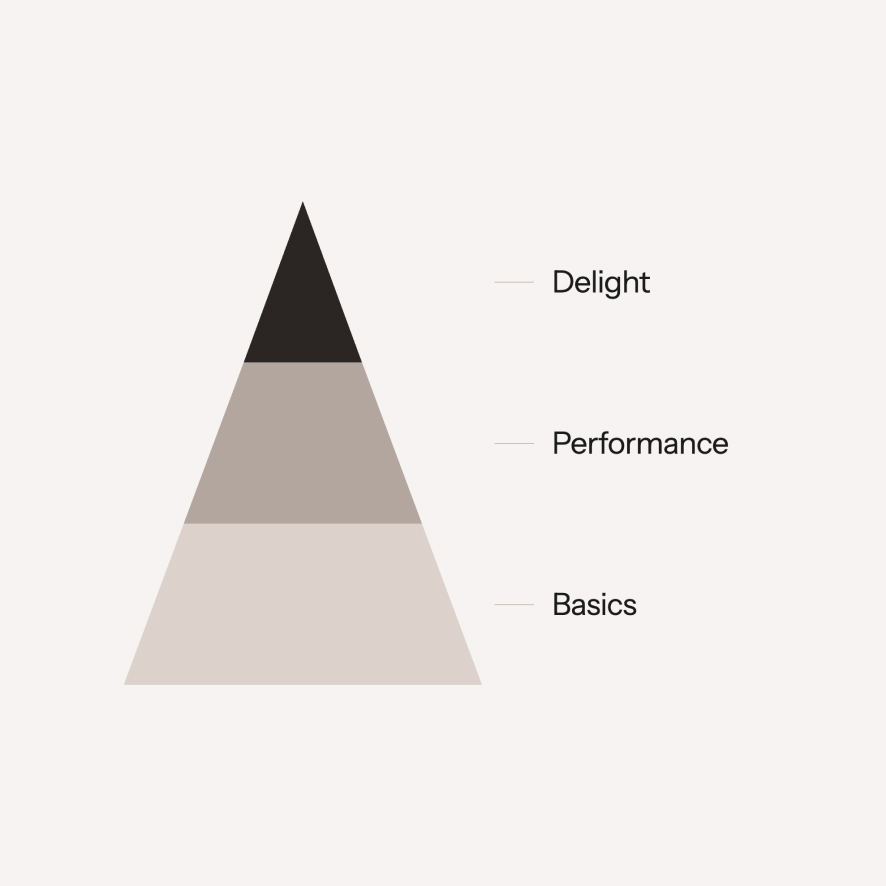
To separate baseline necessities from true market differentiators, we utilized a customer need pyramid framework to prioritize high-impact feature sets. Finally, through cross-functional alignment sessions, we connected business stakeholders across organizational silos, transforming strategic goals into a shared corporate commitment and an actionable, step-by-step engineering roadmap.