AI for Digital Products
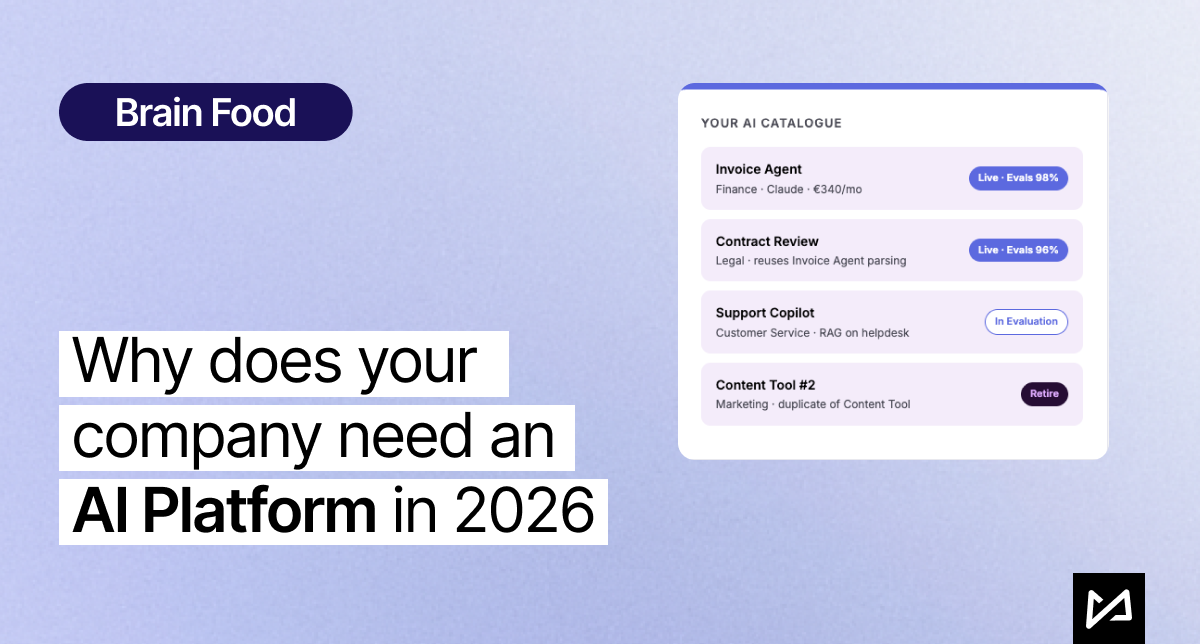
What is an AI Platform and why your company needs one

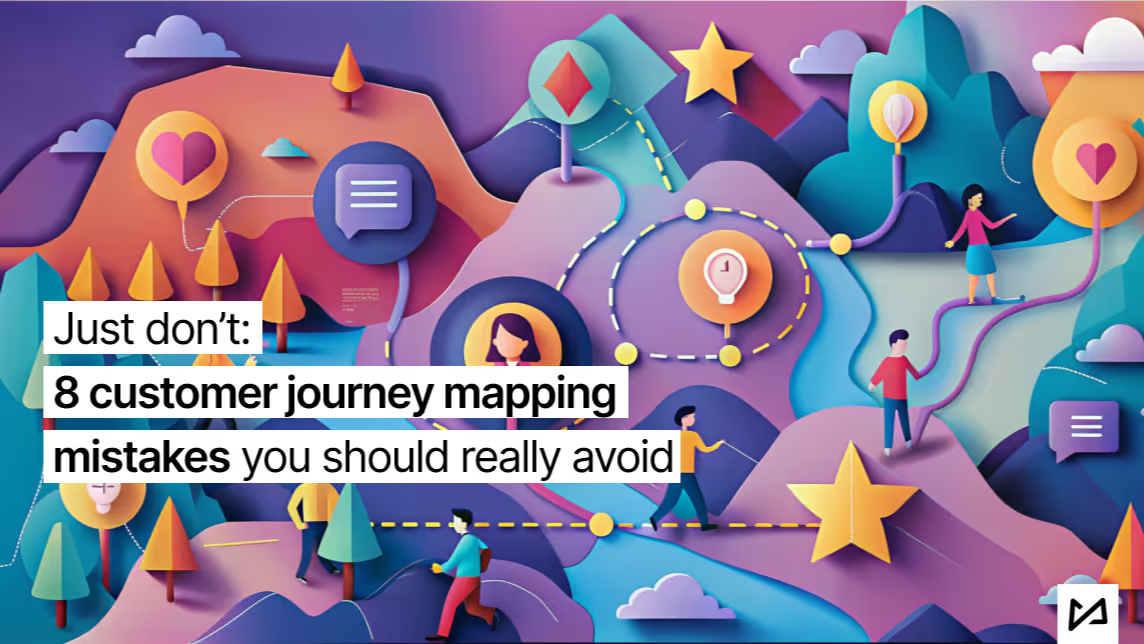
Customer journey mapping is, in fact, a minefield, full of hidden traps ready to derail even the best-laid plans. From getting too wrapped up in internal processes to handing over control to a piece of software, it’s easy to lose sight of what really matters — the customer. When guesswork replaces real data, or you try to juggle multiple maps like a circus act, your strategy quickly goes from sharp to stale. And if you keep the map locked away for a select few “insiders,” collaboration is as good as dead. Let’s dive into some obvious and not-so-obvious mistakes teams make—and how to avoid them to create a customer journey map that truly delivers.
If your journey map only tracks where customers interact with your company, you’re missing the big picture. Imagine how surprised your customers would be to find out you think their world revolves entirely around your product! A truly valuable map starts with the customer’s full journey—including the many parts where they aren’t directly in contact with you. Once you’ve captured their broader experience, you can layer in your touchpoints. This approach ensures you won’t face that awkward realization later: it’s not all about you.
It might seem tempting to rely on intuition instead of gathering data—after all, who needs research when you “know” your customers, right? But creating a map based on assumptions is like navigating with a hand-drawn map you found at a coffee shop: risky and unreliable. Real data from multiple sources gives you a well-rounded view of what customers want—not just what you hope they want. Plus, it saves you from endless debates about whose gut feeling is right.
Focusing on just one channel, like your website, creates an incomplete picture of your customers’ journey. In reality, customers interact with your brand across multiple touchpoints—online, offline, and everywhere in between. They may discuss your product with family, browse social media, or visit a physical store, all of which shape their decisions. A multi-channel approach ensures you’re capturing these nuances to create a more holistic and accurate map.
It can be tempting to let software tools, like CRM systems, take the lead in building your customer journey map. After all, isn’t technology supposed to make everything easier? But relying on software as the backbone of your journey map can quickly shift the focus from the customer to the limitations of the tool itself. Imagine setting out to create a truly customer-centered map only to find yourself confined by the tool’s features rather than your insights. Instead, let the process be driven by the needs, behaviors, and motivations of your customers.
It’s common to start with an AS-IS map that captures the current customer experience and then add a TO-BE map to represent the future vision. But managing two maps can quickly become overwhelming. Trying to juggle updates, add new insights, and align both maps often leads to confusion—and it’s all too easy to lose track of progress. Instead, consider using a single, flexible map that serves both as a snapshot of today and a roadmap for tomorrow.
Relying solely on CJM to drive business growth is like using a single tool in a toolbox—you’re missing out on the bigger picture. CJM is powerful, but it’s most effective as part of a broader strategy. Treat it as one component of a broader plan that includes surveys, user interviews, and feedback collection. Together, these tools create a comprehensive strategy that not only enhances the customer experience but also reduces the need for customers to reach out for support.
Viewing the journey map as a final deliverable often leads to it being filed away and forgotten, like an old roadmap tucked in a glove compartment. Instead, it should be a "living guide," consistently updated and revisited to steer ongoing improvements. The map acts as a compass, helping to track progress and adapt to shifting customer needs and evolving business challenges. By regularly refreshing it with new data and insights, the map remains a relevant and practical tool rather than a static report, enhancing its long-term value.
Keeping the journey map locked down with only a few people “in the know” is a surefire way to keep everyone else in the dark. If you want meaningful change, involve the whole team! By making the map accessible across departments, you encourage collaboration and the kind of shared enthusiasm that brings out the best customer solutions. Plus, the more people see the map, the more likely you are to get valuable insights and, yes, even a few unsolicited opinions (which might just be useful).
Ready to Transform Your Customer Journey?
Do you need support in better understanding your customers and enhancing your customer journeys? With 13 years of experience building, growing, and scaling digital productss, DPM might be just the right partner for you!
Learn more about our projects: References